







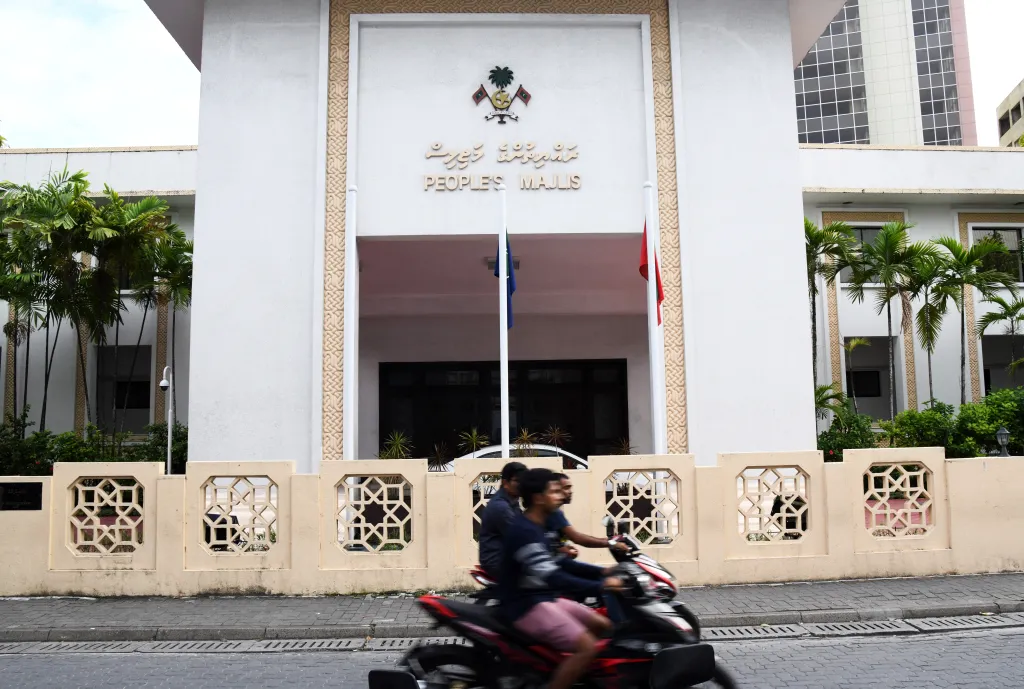
A new amendment to the Pension Act has been proposed to allow retirees greater flexibility in using their pension funds for key life expenses, including housing, Hajj pilgrimage, and medical needs.
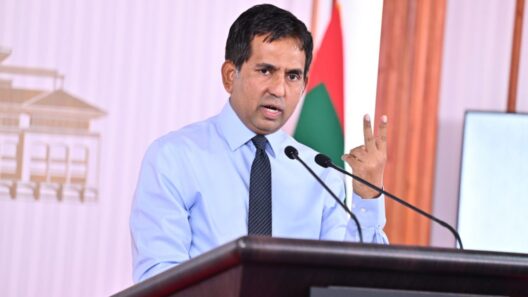
The bill was submitted to the People’s Majlis on behalf of the government by Milandhoo MP Hassan Mufeed Abdul Qadir. Under the proposed amendment, funds from the Maldives Retirement Pension Scheme could be used as collateral to purchase or construct houses, provided the loan is taken from a bank, housing finance company, or other financial institution. The Pension Board will set criteria to assess borrowers’ ability to repay the loans and establish rules for those who collateralize their funds.
Currently, pension money cannot be used to buy or build houses under the law. The amendment would mark a significant change in how retirement savings can be utilized, particularly for homeownership.
The bill also proposes that up to 80 percent of Hajj pilgrimage payments can be made directly from retirement savings accounts. Individuals who have not yet performed Hajj and have contributed MVR 2,000 per month under the pension scheme by the end of their pension age would be able to reserve a seat in the Maldives Hajj queue using their retirement funds, subject to certain conditions.
Additionally, the amendment introduces provisions for terminally ill individuals. Those diagnosed by a specialist doctor with less than 12 months to live will have the option to access all or part of their retirement savings.
The proposed changes aim to give retirees more control over their pension funds, allowing them to address housing needs, religious obligations, and urgent medical requirements.